13 Things About Double Glazing Benefits You May Not Have Known
Exploring the Benefits of Double Glazing: An In-Depth Guide
Double glazing has actually become a popular option for property owners wanting to improve the efficiency and aesthetics of their homes. As energy efficiency continues to take center stage in home enhancement discussions, it is vital to understand the myriad benefits that double glazing supplies. Repair My Windows And Doors explores the benefits of double glazing, its influence on energy consumption, noise decrease, security, and total residential or commercial property worth.
What is Double Glazing?
Double glazing describes using two glass panes in windows or doors, separated by an area filled with gas (generally argon or krypton) to enhance thermal insulation. This design works as a barrier to temperature level exchange, resulting in substantial advantages in energy performance, comfort, and even sound decrease.
Benefits of Double Glazing
1. Energy Efficiency
Among the most considerable advantages of double glazing is its contribution to energy effectiveness.
- Lowered Heat Loss: Double-glazed windows act as a thermal barrier, reducing heat loss throughout the chillier months. This results in lower heating costs and a more comfy living environment.
- Temperature Regulation: Homes with double glazing can maintain consistent indoor temperature levels, decreasing the requirement for heating and cooling systems to work overtime.
2. Noise Reduction
Double glazing is effective in decreasing external sound, which is particularly helpful for homes located near busy roads or airports.
- Sound Insulation: The additional layer of glass and the gas-filled area between panes moistens acoustic waves, supplying a quieter indoor atmosphere.
- Serene Living: Residents can enjoy a more tranquil living environment devoid of disruptive external noises.
3. Improved Security
Double-glazed windows use added security functions that discourage burglaries and enhance total safety.
- More powerful Structure: The double panes are harder to break than single panes of glass, making it harder for trespassers to gain entry.
- Improved Locking Mechanisms: Most double-glazed windows featured complicated locking systems, even more boosting the security of the home.
4. Increased Property Value
Purchasing double glazing can increase the value of a residential or commercial property.
- Market Appeal: Potential purchasers typically look for homes with energy-efficient functions, making double glazing a preferable upgrade.
- Long-Term Savings: The prospect of reduced energy costs is an appealing selling point that can validate a greater asking price.
5. Ecological Impact
With the growing concern about climate change, energy-efficient home functions like double glazing contribute favorably to the environment by:
- Reducing Carbon Footprint: Lower energy intake causes reduced greenhouse gas emissions.
- Sustainability: Many manufacturers of double-glazed windows focus on sustainable practices and produce recyclable products.
Relative Overview of Double Glazing
To show the advantages more clearly, let's compare double glazing with traditional single glazing:
Features
Single Glazing
Double Glazing
Energy Efficiency
Lower; more heat loss
Higher; better insulation
Noise Reduction
Minimal noise insulation
Considerable sound reduction
Security
Fundamental security
Improved security
Expense of Installation
Lower upfront expense
Greater in advance cost
Long-Term Savings
Higher energy costs
Lower energy expenses
Influence On Property Value
Limited boost
Significant increase
Often Asked Questions (FAQs)
Q1: Is double glazing more expensive to set up than single glazing?A1: Yes, the
initial cost of double glazing is normally higher due to the products and innovation included. However, the long-term cost savings on energy bills can balance out the upfront expense.
**Q2: How long does double glazing last?A2: Double-glazed
windows are designed to be resilient, typically lasting 20 years or more if properly kept. This life-span can vary based upon the quality of setup and products. Q3: Can I change single glazing with double glazing
myself?A3: While DIY jobs can be satisfying, it is advised to employ
professionals for double glazing installations to guarantee appropriate fitting and take full advantage of effectiveness. Q4: Do double-glazed windows require special maintenance?A4: Generally, double-glazed windows need little upkeep. Regular cleansing and inspecting seals for damage are normally sufficient to keep them in good condition. Q5: Are there various kinds of double glazing?A5: Yes, various types consist of low-emissivity(Low-E)glass, laminated double glazing for added security, and acoustic double glazing created for sound reduction. In conclusion, double glazing offers many benefits that house owners must consider when updating their windows. From enhanced energy effectiveness and noise reduction to increased security and residential or commercial property value, the advantages are compelling. While the initial expense might be greater than single glazing, the long-term cost savings and comfort that double glazing supplies make it a worthwhile investment. As the movement towards sustainable and effective living continues to grow, double glazing stands apart as a critical feature that aligns with both monetary and environmental goals. By comprehending these advantages, property owners can make educated decisions that not only improve their living conditions but also contribute to a more sustainable future. 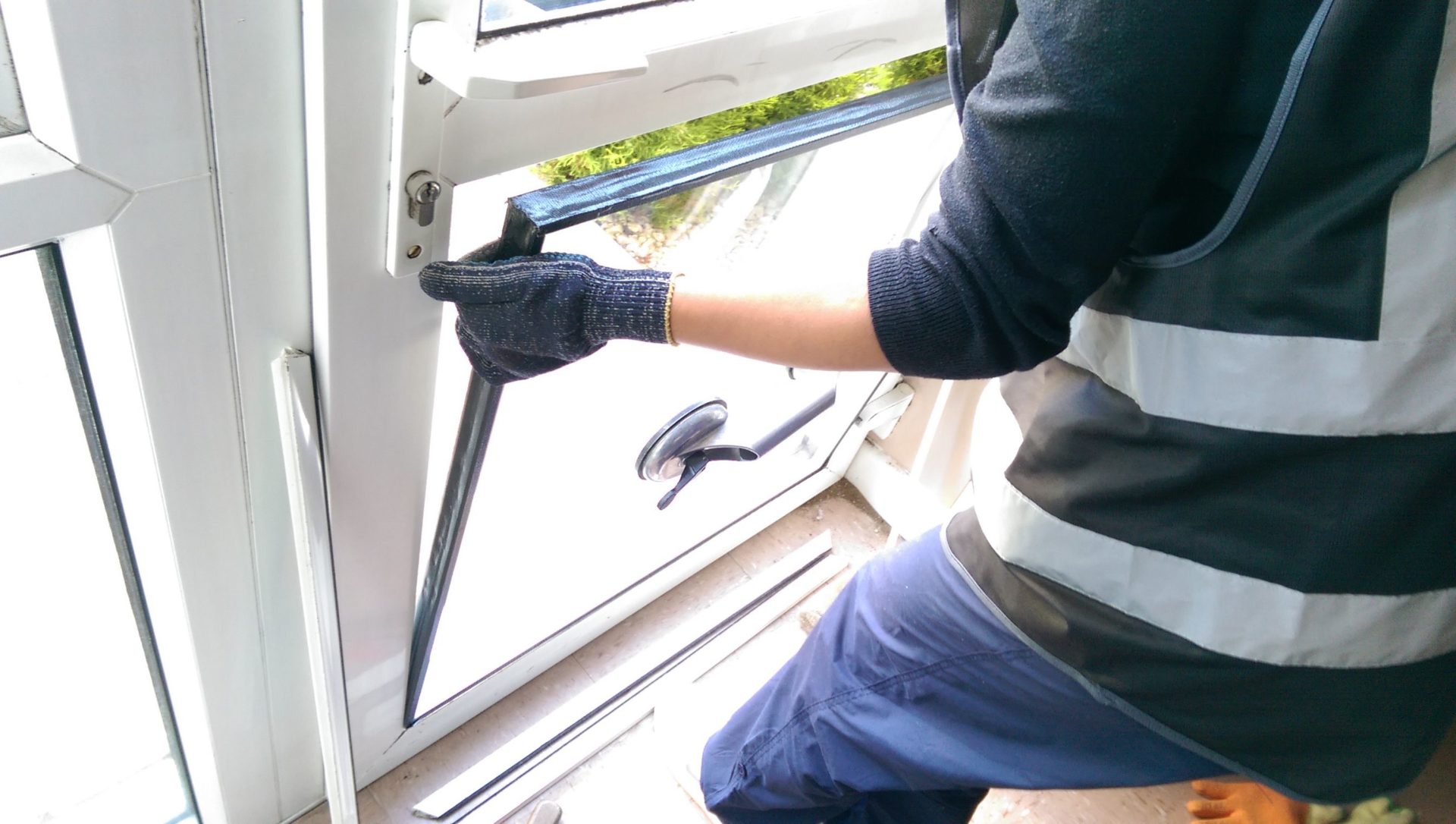 **
**